
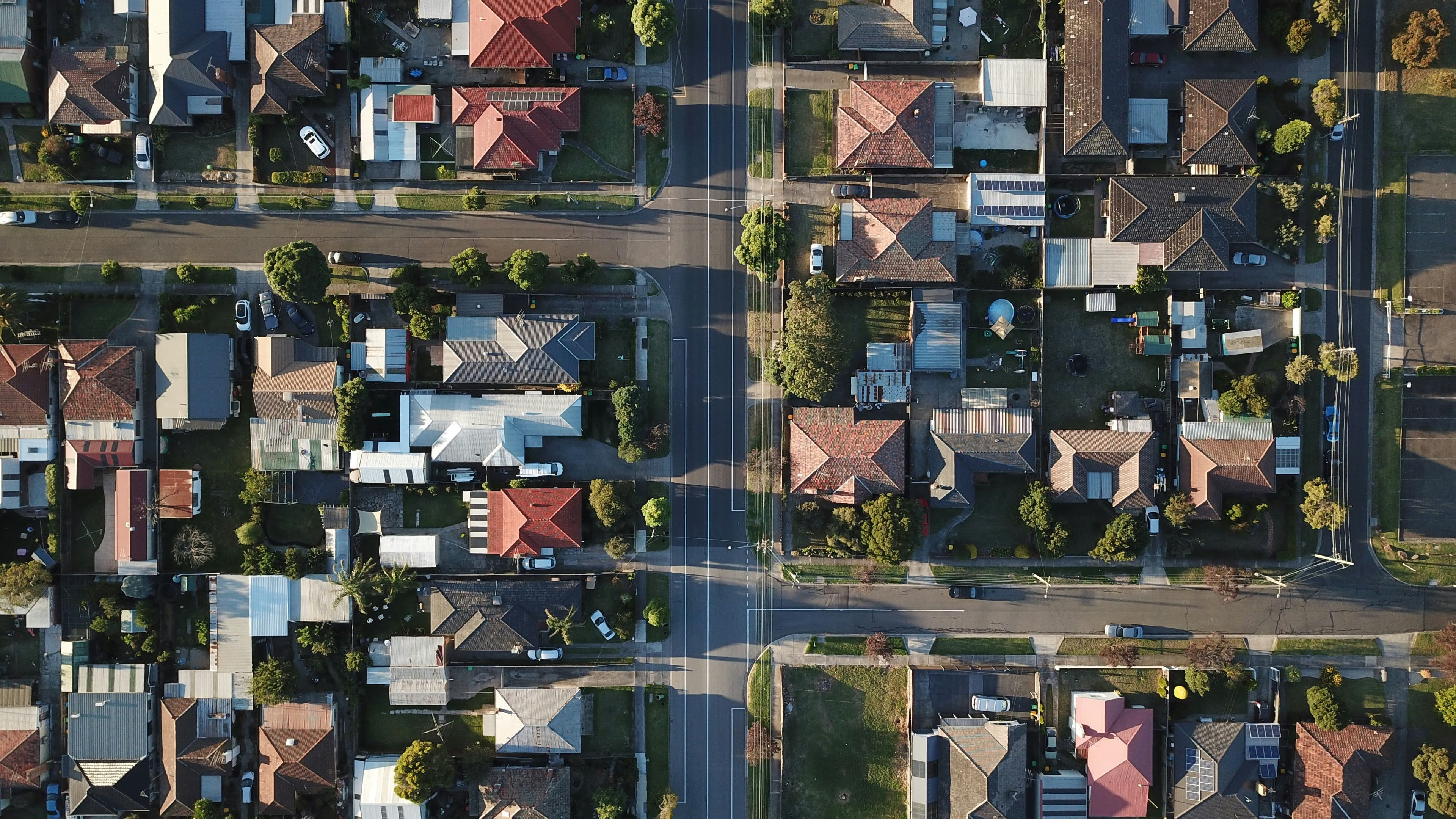
Buying a home is one of the largest financial decisions you will ever make.
Yet many buyers spend more time researching the house than researching the neighborhood they will live in every day.
If you are moving across town, relocating from another state, or considering an unfamiliar area, it is easy to fall in love with a home while overlooking the realities of the surrounding community.
The truth is that a neighborhood can shape your daily life far more than granite countertops, a finished basement, or a beautiful primary suite ever will.
Before you make an offer, use this neighborhood checklist to understand what life may actually feel like after you move in.
When buyers tour a home, it is natural to focus on the property itself.
You notice the kitchen, the layout, the yard, the bedrooms, the basement, and the condition of the finishes. Those things matter. But the neighborhood determines much of your day-to-day experience.
Your neighborhood can affect:
- Your commute
- Your routines
- Your access to schools, parks, shops, and services
- Your sense of community
- Your noise levels
- Your resale potential
- Your long-term satisfaction with the home
A great house in the wrong neighborhood can become frustrating quickly. A smaller or less perfect home in the right neighborhood may support your life much better.
Here are 15 things to know before buying a house in a neighborhood you have never lived in.
1. What Is the Neighborhood Like at Different Times of Day?
A neighborhood can feel completely different depending on when you visit.
A quiet street on a Tuesday afternoon may be packed with traffic during rush hour. A peaceful evening may feel very different on a Friday night. A charming downtown may become noisy on weekends, while a sleepy-looking street may be active with school buses, commuters, or delivery traffic in the morning.
Before buying in a new neighborhood, visit several times:
- Weekday morning
- Weekday evening
- Friday night
- Weekend afternoon
- After dark, if practical
The goal is to understand the neighborhood’s true rhythm, not just how it feels during a scheduled showing.
2. How Long Is the Commute During Real Traffic?
Do not rely only on map estimates.
A commute that looks manageable online may feel very different during actual rush hour, school pickup, bad weather, or construction.
If possible, drive the route at the times you would actually be traveling. Pay attention to:
- Traffic bottlenecks
- School pickup and drop-off congestion
- Construction zones
- Highway access
- Backup routes
- Public transportation options
- Parking at transit stations
- Walkability to trains or buses
Small differences in commute time can have a major impact on quality of life.
A 25-minute commute and a 45-minute commute may not sound dramatically different on paper, but over months and years, that difference can shape your daily routine.
3. What Are the Schools Really Like?
Even if you do not have children, schools can matter when buying a house.
Strong school systems often influence neighborhood demand, resale potential, and long-term property values. But school quality is more nuanced than a single ranking or score.
When researching schools, look beyond the headline rating. Consider:
- Academic performance trends
- Class sizes
- Extracurricular offerings
- Special education resources
- Community involvement
- School culture
- Future enrollment trends
- District boundaries
- Whether the home is assigned to the schools you expect
School districts and boundaries can sometimes change, so buyers should verify directly with the district or town before relying on listing information.
4. Are Home Values Rising, Flat, or Declining?
Past performance does not guarantee future results, but local housing trends matter.
Before buying in an unfamiliar neighborhood, research:
- Recent sales activity
- Median sale price trends
- Days on market
- Inventory levels
- Price reductions
- Buyer competition
- How often homes turn over
- Whether homes sell above or below asking
Neighborhood momentum often tells a bigger story than a single home’s asking price.
If homes are selling quickly and inventory is limited, the neighborhood may have strong demand. If homes are sitting longer or requiring major price cuts, it is worth understanding why.
5. What Development Is Planned Nearby?
What exists today may look very different five years from now.
Before making an offer, check local planning, zoning, and town records for nearby changes.
Look for:
- New housing developments
- Apartment or condo projects
- Commercial development
- Road expansions
- School construction
- Public transportation changes
- Infrastructure upgrades
- Rezoning proposals
- Large parcels that could be developed later
Future development can improve convenience, increase demand, or create noise, traffic, and congestion. The key is to understand what may be coming before you buy.
6. How Walkable Is the Area?
Walkability influences convenience, lifestyle, health, and long-term desirability.
Ask yourself:
- Can you walk to coffee shops, restaurants, or stores?
- Are parks nearby?
- Are sidewalks continuous and well maintained?
- Can children safely walk or bike nearby?
- Are streets well lit?
- Are crosswalks and intersections safe?
- Is the area pleasant to walk in, or does it technically have sidewalks but feel uncomfortable?
Many buyers underestimate how much daily convenience matters.
Even if you plan to drive most places, being close to parks, trails, shops, or a town center can make a neighborhood feel much more livable.
7. What Amenities Are Actually Nearby?
Listing descriptions often exaggerate proximity.
A home may be described as “close to shops” or “minutes from downtown,” but that can mean very different things depending on traffic, parking, road layout, and personal expectations.
Verify distances to:
- Grocery stores
- Restaurants
- Coffee shops
- Gyms
- Parks
- Healthcare facilities
- Pharmacies
- Daycare
- Schools
- Shopping areas
- Public transportation
- Major roads
Convenience adds value long after move-in day.
Before buying in a new area, map out the errands you actually do each week and see how the neighborhood supports them.
8. How Much Noise Will You Experience?
Noise is one of the most overlooked factors when buying a house.
During a showing, you may be focused on the home’s interior. But after you move in, noise can affect sleep, work, relaxation, and outdoor enjoyment.
Listen for:
- Highway traffic
- Train lines
- Air traffic
- Busy intersections
- Commercial activity
- Restaurants or nightlife
- School fields
- Sports facilities
- Construction
- Barking dogs
- Landscaping equipment
What seems minor during a 30-minute showing can become frustrating over time.
Visit the neighborhood at different times to understand the real sound environment.
9. What Is the Community Like?
Some neighborhoods feel highly connected. Others are more private.
Neither is automatically better. The question is what kind of community you want.
Look for signs of neighborhood life:
- People walking, biking, or gathering outside
- Community events
- Local groups
- Well-used parks
- Active town centers
- Neighborhood pride
- Seasonal events
- Public gathering spaces
You can also look for local online groups, town calendars, community boards, and neighborhood associations.
The social environment can have a major impact on your experience after you move in.
10. How Competitive Is Parking?
If parking matters, test it before you buy.
Parking challenges can become daily annoyances, especially in urban neighborhoods, older suburbs, dense town centers, or areas near schools, restaurants, commuter rail stations, or event venues.
Check:
- Street parking availability
- Guest parking options
- Overnight restrictions
- Winter parking rules
- Street cleaning schedules
- Permit requirements
- Event-related congestion
- Driveway size
- Garage usability
Do not assume the garage, driveway, or street parking will work for your lifestyle. Verify it.
11. What Do Current Residents Say?
Current residents often provide insights you will not find in listings.
Look for conversations about:
- Traffic
- Schools
- Noise
- Safety
- Local events
- Town services
- Flooding or drainage
- Development concerns
- Neighborhood strengths
- Common frustrations
You can gather insight from local groups, community forums, town meetings, neighborhood pages, and conversations with people who live nearby.
Opinions will vary. One person’s complaint may not matter to you. But if the same themes appear repeatedly, pay attention.
12. How Well Is the Neighborhood Maintained?
Condition matters beyond the property you are buying.
Look around the surrounding area and evaluate the neighborhood as a whole.
Notice:
- Landscaping
- Road conditions
- Sidewalk condition
- Public spaces
- Lighting
- Drainage
- Trash and recycling areas
- Exterior home maintenance
- Vacant properties
- General upkeep
Pride of ownership often reflects broader neighborhood health.
This does not mean every nearby home needs to be perfect. But the surrounding environment can influence how the neighborhood feels and how future buyers may perceive it.
13. How Resilient Is the Area During Market Changes?
Some neighborhoods remain desirable through multiple housing cycles. Others experience larger swings.
No one can predict the future perfectly, but certain characteristics can support long-term resilience.
Look for:
- Strong schools
- Convenient location
- Limited housing supply
- Access to jobs or transit
- Diverse buyer demand
- Walkability
- Appealing housing stock
- Community investment
- Stable local services
A home is both a place to live and a major financial asset. Understanding neighborhood resilience can help you make a more informed decision.
14. Can You See Yourself Living There?
Data matters. So does intuition.
After you research the neighborhood, imagine your actual life there.
Think about:
- Your morning routine
- Your commute
- Weekend activities
- Evening walks
- Grocery trips
- School or daycare logistics
- Social life
- Outdoor space
- Errands
- Seasonal routines
Can you realistically picture your life unfolding there?
Sometimes the answer is obvious. Other times, a beautiful home may be in a neighborhood that does not fit the life you actually want.
15. What Do You Still Not Know?
The biggest risk when buying in an unfamiliar neighborhood is assuming you have gathered enough information.
Before making an offer, ask yourself:
- What questions have I not asked?
- What assumptions am I making?
- What would current residents tell me?
- What might annoy me after six months?
- What would I want to know if I were selling this home later?
- What changes are coming to the area?
- What is the biggest unknown?
Curiosity can prevent costly surprises.
The goal is not to find a perfect neighborhood. The goal is to understand the tradeoffs before you commit.
Neighborhood Research Checklist Before Making an Offer
Before buying a house in a neighborhood you have never lived in, try to confirm:
- Commute time during real traffic
- School district and boundaries
- Recent home sales and pricing trends
- Local development plans
- Noise at different times of day
- Walkability and access to amenities
- Parking rules and availability
- Neighborhood maintenance and pride of ownership
- Community feel
- Nearby parks, shops, and services
- Resale demand
- Local concerns or recurring resident complaints
This checklist can help you compare neighborhoods more objectively instead of relying only on how a home feels during a showing.
The Bottom Line
The right home in the wrong neighborhood can quickly become the wrong decision.
Before making an offer, invest as much time understanding the community as you do evaluating the property itself.
A house is where you sleep.
A neighborhood is where you live.
The buyers who make the best long-term decisions understand the difference.
The WelcomeIn Perspective: Understand the Home and the Neighborhood Before You Offer
Most buyers tour a home, make an offer, and only then discover what they should have been asking all along.
Some concerns look serious but are easily fixed. Others seem minor but can become costly surprises. The same is true of neighborhoods. Some tradeoffs are manageable. Others can shape your daily life for years.
WelcomeIn’s Home Partner helps you evaluate homes with greater confidence by organizing observations, surfacing meaningful insights, and helping you compare properties more objectively.
It will not tell you what home to buy.
It helps you ask better questions before you do.
Before you make an offer, make sure the home — and the neighborhood — fit your life. Start your Home Hunt with WelcomeIn.