
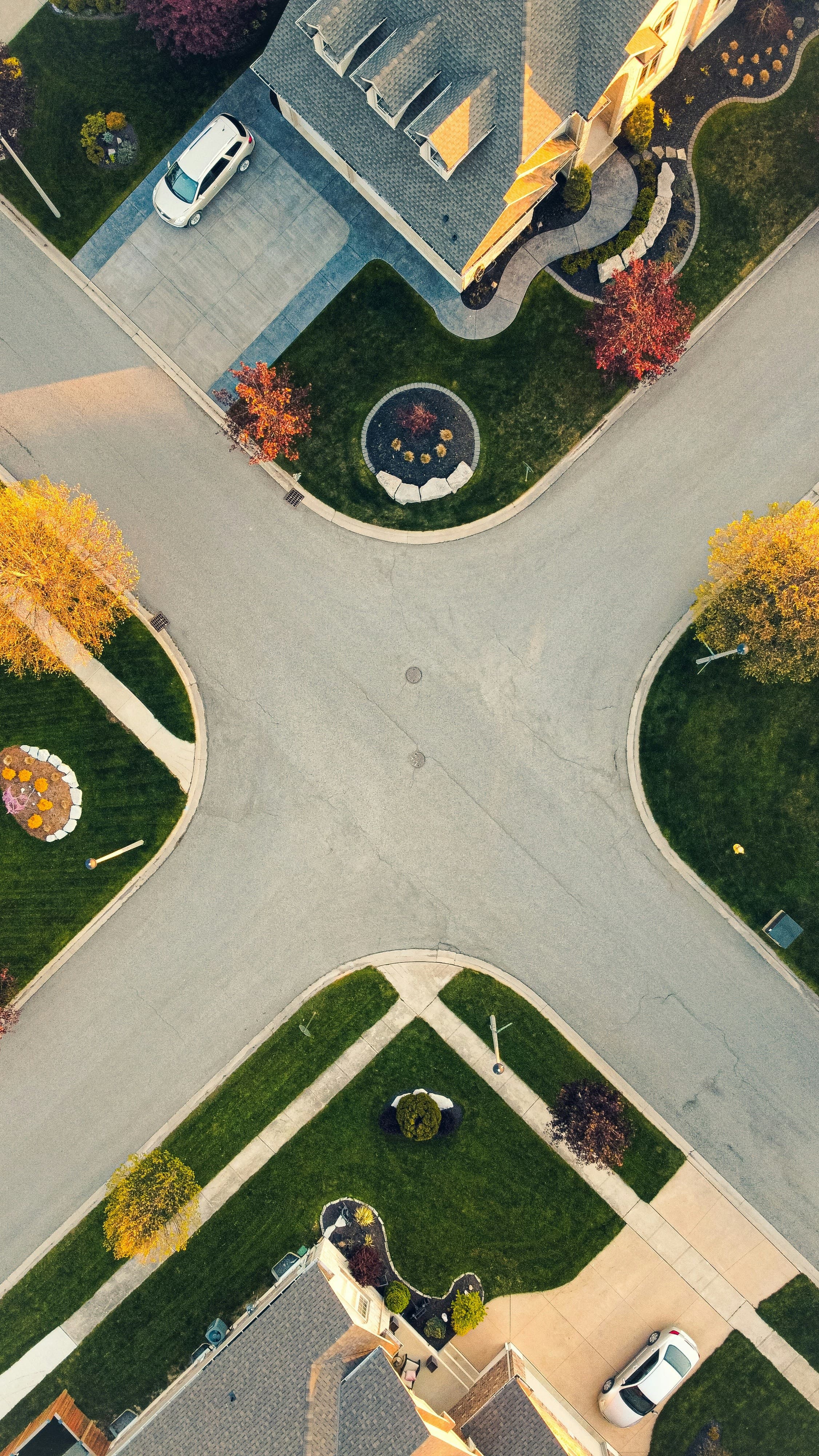
When buyers arrive at a showing, they usually have tunnel vision.
Their eyes go straight to the front door.
The landscaping.
The porch.
The windows.
They're focused on the house they're about to tour.
But before you step inside, turn around.
Look across the street.
Then look next door.
Then look a few houses in each direction.
Because once you buy the home, those houses become part of your everyday life, too.
You're Buying More Than a Property
A home doesn't exist in isolation.
Every morning you'll see the houses across the street.
Every evening you'll drive past your neighbors.
Every walk with the dog, every bike ride, every holiday season—you'll experience the entire neighborhood, not just your own front yard.
That's why experienced buyers evaluate the surroundings just as carefully as the home itself.
Look for Overall Pride of Ownership
No neighborhood is perfect.
One home with an overgrown lawn doesn't define the entire street.
Instead, ask yourself:
- Do most homes appear cared for?
- Are lawns maintained?
- Are roofs generally in good condition?
- Are driveways and sidewalks well kept?
- Do people seem to take pride in their homes?
You're looking for patterns—not perfection.
Notice the Homes Directly Across the Street
These are the homes you'll see most often.
Take a closer look.
Ask yourself:
- Are they well maintained?
- Do they appear occupied and cared for?
- Are vehicles parked neatly?
- Is there excessive clutter?
- Are outdoor spaces used and maintained?
Remember, you're not judging the people who live there.
You're evaluating the environment you'll experience every day.
Pay Attention to the Street Itself
The road tells a story, too.
Notice:
- Traffic volume
- On-street parking
- Sidewalk conditions
- Street lighting
- Mature trees
- Storm drains
- Road maintenance
These details influence both daily life and how the neighborhood feels.
Watch What Happens for a Few Minutes
Instead of immediately walking inside, pause.
Stand quietly for two or three minutes.
Who passes by?
Do neighbors wave?
Are people walking dogs?
Do cars speed through?
Are children riding bikes?
Sometimes a short pause reveals more than the entire showing.
Look for Signs of Ongoing Investment
Neighborhoods change over time.
Ask yourself:
- Are homes being updated?
- Do you see new roofs?
- Fresh landscaping?
- Exterior improvements?
- Well-maintained fences?
These are signs that homeowners continue investing in the community.
That often contributes to a neighborhood that remains attractive over the long term.
Think About the View From Your Windows
Buyers often focus on the view from the backyard.
Don't forget the front.
Imagine looking out your living room window every morning.
What will you see?
- Mature trees?
- Attractive homes?
- Parked work trucks?
- A busy intersection?
- A beautiful streetscape?
The front view becomes part of your daily experience just as much as the backyard.
Every Neighborhood Has Imperfections
The goal isn't to find a flawless street.
Maybe one neighbor keeps an RV in the driveway.
Maybe another is renovating their home.
Maybe one lawn needs mowing.
That's normal.
Instead of reacting to a single detail, ask whether the overall neighborhood feels cared for and enjoyable.
Patterns matter much more than isolated observations.
Picture Yourself Living There
Before you leave, imagine an ordinary evening.
You're arriving home after work.
You park the car.
Walk to the front door.
Wave to a neighbor.
Take the dog for a walk.
Sit on the porch with a cup of coffee.
Does that picture feel comfortable?
Can you imagine enjoying that routine for years?
If the answer is yes, the neighborhood may be just as appealing as the home itself.
One of the Easiest Mistakes Buyers Make
Beautiful homes naturally command your attention.
That's what good staging is designed to do.
But don't let that narrow your focus.
The house is only one piece of your decision.
The surrounding homes, the condition of the street, the atmosphere of the neighborhood, and the way people care for the community all become part of what you're buying.
Sometimes the most important observation you'll make during a showing isn't inside the house at all.
It's across the street.
WelcomeIn Helps You See the Whole Picture
It's easy to become distracted by quartz countertops and beautifully staged living rooms.
WelcomeIn's Home Partner reminds you to step back and evaluate the entire setting—not just the house itself. It prompts you to observe neighboring homes, street conditions, parking, traffic, and the overall character of the neighborhood, then organizes those observations alongside everything you learn inside the home.
Because the smartest home-buying decisions come from evaluating the complete picture—not just what happens after you walk through the front door.