
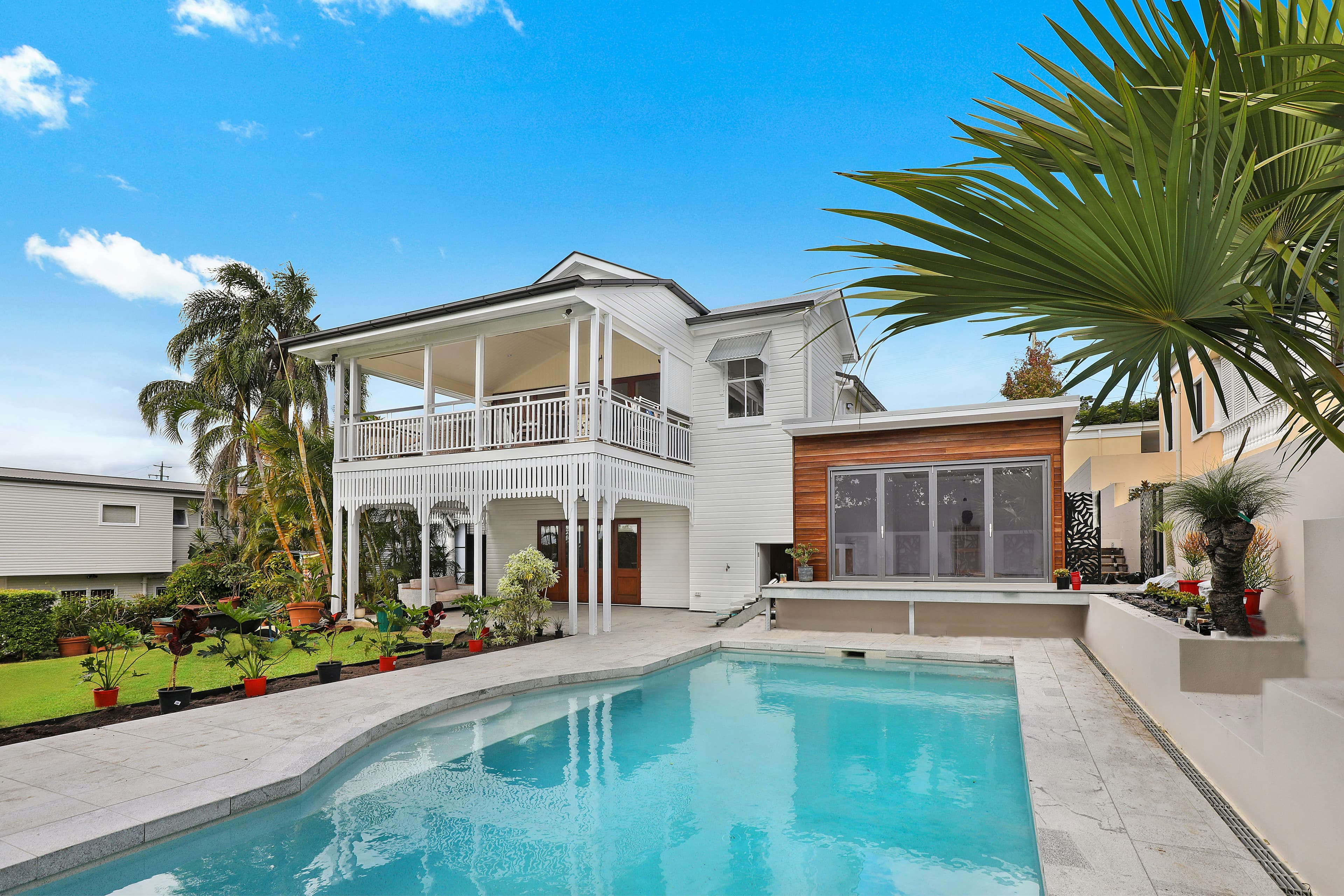
You can renovate almost anything about a house.
You can remodel the kitchen.
Replace the flooring.
Paint every wall.
Finish the basement.
But there's one thing you can't change after closing:
The neighborhood.
The neighborhood.
It's easy to become so focused on the home itself that you forget you'll spend just as much time living around it. The street you drive down every day, the noise outside your bedroom window, the way neighbors maintain their properties, and the overall feel of the area all shape your experience long after the excitement of moving in fades.
The good news? You don't need to spend weeks evaluating a neighborhood before deciding whether to make an offer.
With a thoughtful approach, you can learn a surprising amount in just 15 minutes.
Minute 1–3: Step Back Before You Walk In
Before you head to the front door, stop and observe.
Ask yourself:
- Does the neighborhood feel welcoming?
- Are homes generally well maintained?
- Does the street feel calm or busy?
- Is there enough parking?
- Are sidewalks in good condition?
- Would you enjoy taking an evening walk here?
First impressions aren't everything—but they're worth paying attention to.
If something feels noticeably different than you expected from the listing photos, make a note of it.
Minute 3–5: Look Beyond the House
Most buyers only evaluate the property they're touring.
Smart buyers evaluate everything around it.
Notice:
- Roof conditions on nearby homes
- Landscaping
- Exterior maintenance
- Condition of fences
- Driveways
- Mailboxes
- Garages
- Outdoor lighting
One neglected home isn't necessarily a concern.
A pattern of deferred maintenance across several properties may tell a different story.
Likewise, a neighborhood where owners consistently care for their homes often reflects long-term pride of ownership.
Minute 5–7: Listen Carefully
Close the car door.
Stand quietly.
Don't talk.
Just listen.
Can you hear:
- Heavy traffic?
- Highway noise?
- Trains?
- Airplanes?
- Dogs barking constantly?
- Construction?
- Loud commercial activity?
Many buyers don't notice background noise until after they've moved in.
Give yourself a minute to experience what everyday life sounds like.
Minute 7–9: Pay Attention to Activity
Every neighborhood has its own rhythm.
Observe what's happening around you.
Are people walking dogs?
Kids riding bikes?
Neighbors talking?
Families outside?
Or does the area feel unusually empty?
There's no perfect answer—some buyers prefer quiet neighborhoods while others enjoy more activity.
The goal isn't to judge. It's to decide whether the environment matches your lifestyle.
Minute 9–11: Look for Signs of Ongoing Investment
Neighborhoods evolve over time.
Look for clues that people continue investing in their homes.
Examples include:
- Fresh landscaping
- New roofs
- Updated windows
- Exterior improvements
- Well-maintained sidewalks
- Mature trees receiving proper care
These don't guarantee future appreciation, but they often suggest homeowners are committed to maintaining the neighborhood.
Minute 11–13: Think About Daily Life
Imagine an ordinary Tuesday.
Not moving day.
Not the holidays.
Just everyday life.
Ask yourself:
- Where would guests park?
- Would backing out of the driveway be easy?
- Is there enough room for deliveries?
- Would children have a safe place to play?
- Is there shade for afternoon walks?
- Would you enjoy sitting outside?
This simple mental exercise often reveals practical considerations buyers overlook during an emotional showing.
Minute 13–15: Ask the Questions That Matter
Before you leave, ask your real estate agent a few thoughtful questions.
For example:
- How long do homes usually stay on this street?
- Have there been multiple recent sales nearby?
- Are there any planned developments?
- Have sellers received multiple offers recently?
- What attracts buyers to this neighborhood?
Your agent may not have every answer immediately, but these questions often uncover valuable context beyond the home itself.
What You Can't Learn in 15 Minutes
A short visit is helpful, but it doesn't tell the whole story.
Before making an offer, consider returning:
- Early in the morning
- During rush hour
- In the evening
- On a weekend
- After a heavy rain
Neighborhoods can feel surprisingly different depending on the time of day and weather conditions.
If you're relocating from another city or state, these extra visits can provide confidence that listing photos simply can't.
Don't Let the House Distract You
Beautiful homes have a way of capturing your attention.
That's exactly what they're designed to do.
But remember:
You're not just buying a house.
You're buying the drive to work.
The evening walks.
The sounds outside your bedroom.
The neighbors you'll wave to for years.
The quality of life surrounding the property matters just as much as the square footage inside it.
The best buyers evaluate both.
Evaluate Every Home—and Every Neighborhood—with WelcomeIn
A great home in the wrong neighborhood can still become a disappointing purchase.
That's why WelcomeIn's Home Partner helps you evaluate more than just the property. As you tour, it prompts you to observe the surrounding neighborhood, record details you might otherwise forget, and compare each home objectively against the others you've seen.
Instead of relying on memory or first impressions, you'll build a complete picture of the home, the neighborhood, and the questions that deserve answers before you make an offer.
Because the smartest home-buying decisions begin before you fall in love with the house—and long before you sign the contract.