
/blog/how-to-read-a-staircase
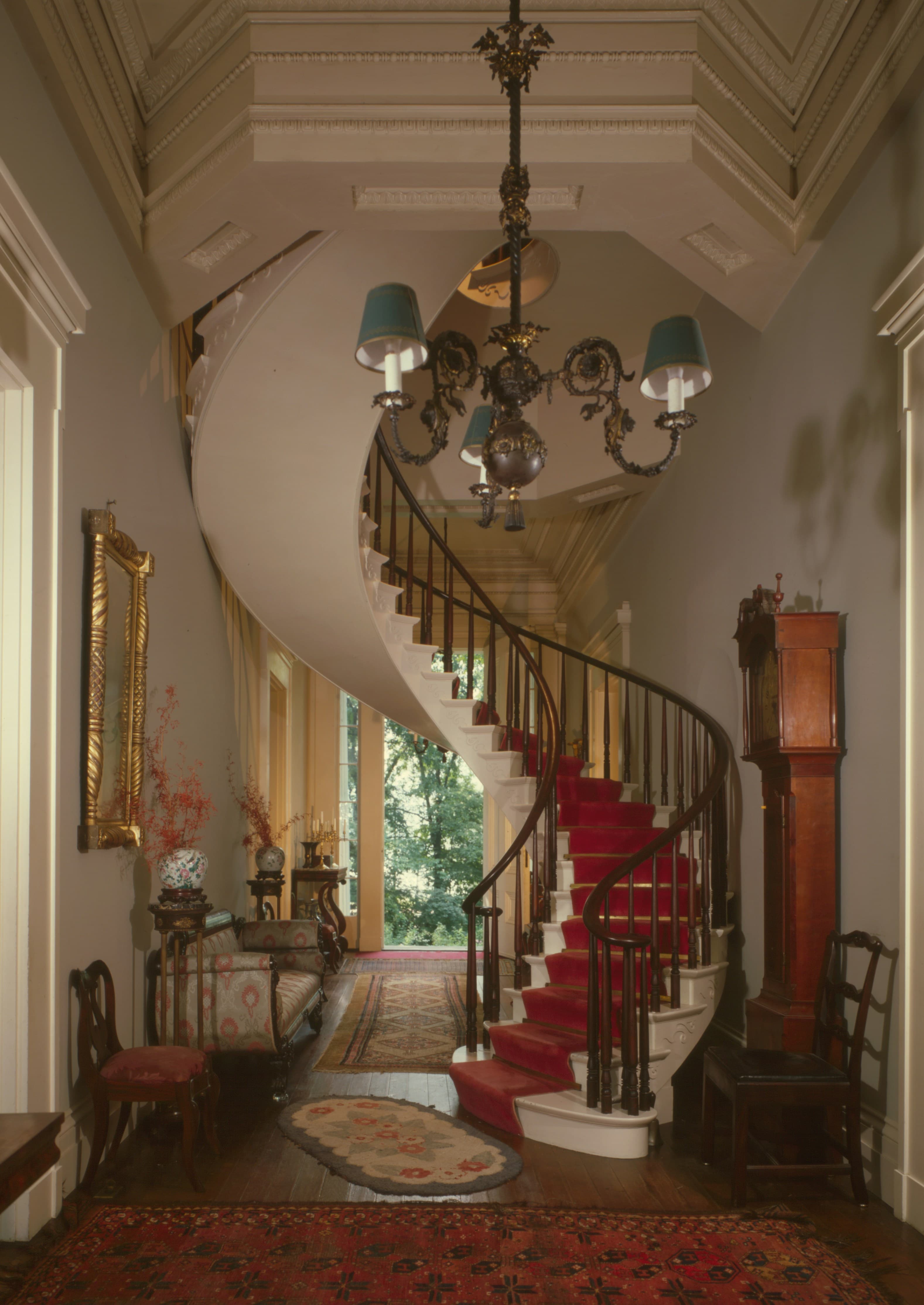
Most buyers see a staircase as a way to get from one floor to another.
Experienced buyers see something more.
Every staircase tells a story about how a home has been built, maintained, and lived in over the years.
The stairs are one of the most heavily used features in almost every home. They experience thousands of footsteps, seasonal changes, moving furniture, children running up and down, pets, and decades of daily wear.
Because of that, staircases often reveal subtle clues that other parts of the home don't.
You don't need construction experience to notice them.
You simply need to slow down and pay attention.
Your goal isn't to determine whether the staircase is "good" or "bad."
It's to gather observations that help you better understand the home before deciding whether to make an offer.
Why Staircases Matter
A staircase can reveal clues about:
- Daily wear
- Renovation quality
- Structural movement
- Maintenance habits
- Safety
- Craftsmanship
- The age of the home
Most staircases show some wear over time.
The important question is whether that wear feels consistent with the home's age and overall condition.
1. Walk the Stairs Normally
The first thing to notice isn't what you see.
It's what you feel.
As you walk:
- Do the stairs feel solid?
- Do they flex noticeably?
- Is there excessive squeaking?
- Do any treads move beneath your feet?
Older wood staircases often creak a little, especially in historic homes.
You're looking for unusual movement or patterns—not perfection.
2. Listen Carefully
Stairs often communicate through sound.
Notice whether you hear:
- A few isolated squeaks
- Repeated squeaks on every step
- Loud pops
- Rattling handrails
Minor noise is common.
Excessive movement or widespread looseness deserves a closer look.
3. Look at Wear Patterns
Years of use leave visible evidence.
Notice:
- Uneven wear on treads
- Deep scratches
- Worn finishes
- Loose carpet
- Damaged stair noses
Heavy wear isn't necessarily a problem.
It may simply reflect a well-loved home.
The condition should generally match the home's overall age and maintenance.
4. Check the Handrail
A handrail should feel secure.
Notice whether it:
- Feels sturdy
- Moves when lightly grasped
- Appears loose
- Has missing hardware
- Shows signs of previous repairs
Safety features deserve just as much attention as cosmetic finishes.
5. Look at the Trim Work
Quality craftsmanship often appears around the staircase.
Notice:
- Tight trim joints
- Clean paint lines
- Even stair skirts
- Consistent finishes
These details can provide insight into the care taken during construction or renovation.
6. Watch for Gaps
Small seasonal gaps are common in wood construction.
Pay closer attention if you notice:
- Large separations between treads and risers
- Trim pulling away from walls
- Uneven spacing
- Visible movement
Again, context matters more than any one observation.
7. Notice the Lighting
A well-designed staircase should be easy to navigate.
Ask yourself:
- Is it well lit?
- Are switches conveniently located?
- Do landings feel safe?
- Is visibility good at night?
Function is just as important as appearance.
8. Compare the Staircase to the Rest of the Home
Ask yourself:
- Does the staircase appear original?
- Has it been renovated?
- Does the craftsmanship match the rest of the home?
- Do finishes feel consistent?
A beautifully renovated staircase should fit naturally with the home's overall character.
9. Look Above and Below
The staircase connects multiple levels of the home.
While you're there, also notice:
- Ceiling cracks nearby
- Wall cracks along the stairwell
- Floor transitions at landings
- Doors that operate normally
- Natural light entering the space
Sometimes the stairwell reveals clues that aren't obvious elsewhere.
10. Think About Everyday Living
Finally, picture using the stairs every day.
Ask yourself:
- Are they comfortable to climb?
- Would children or older family members feel safe?
- Is there enough width for moving furniture?
- Do the landings feel practical?
A staircase should work as well as it looks.
What to Photograph During the Showing
Take photos of:
- The full staircase
- Handrails
- Worn treads
- Loose trim
- Landings
- Stairwell walls
- Lighting
- Any visible gaps or repairs
These images help you compare homes and revisit details that are easy to forget after multiple showings.
Every Staircase Reflects Years of Living
Staircases naturally show their age.
Some creaks are expected.
Some scratches tell the story of everyday life.
The goal isn't to find a staircase without imperfections.
It's to notice whether the staircase feels well built, well maintained, and consistent with the rest of the home.
When you combine those observations with everything else you see—from the floors and walls to the roof and grading—you gain a much more complete understanding of the property.
Learn to Read Every Part of a Home with WelcomeIn
It's easy to overlook a staircase during a busy home showing. After all, you're focused on kitchens, bedrooms, and living spaces.
WelcomeIn Home Partner helps you slow down and evaluate the details that many buyers miss. It guides you through each part of the home, prompts you to capture meaningful observations, and organizes your notes into a personalized report after the showing.
Instead of relying on memory alone, you'll have a clear, objective way to compare homes and make a more informed offer.
Because every step through a home tells a story—if you know how to read it.