
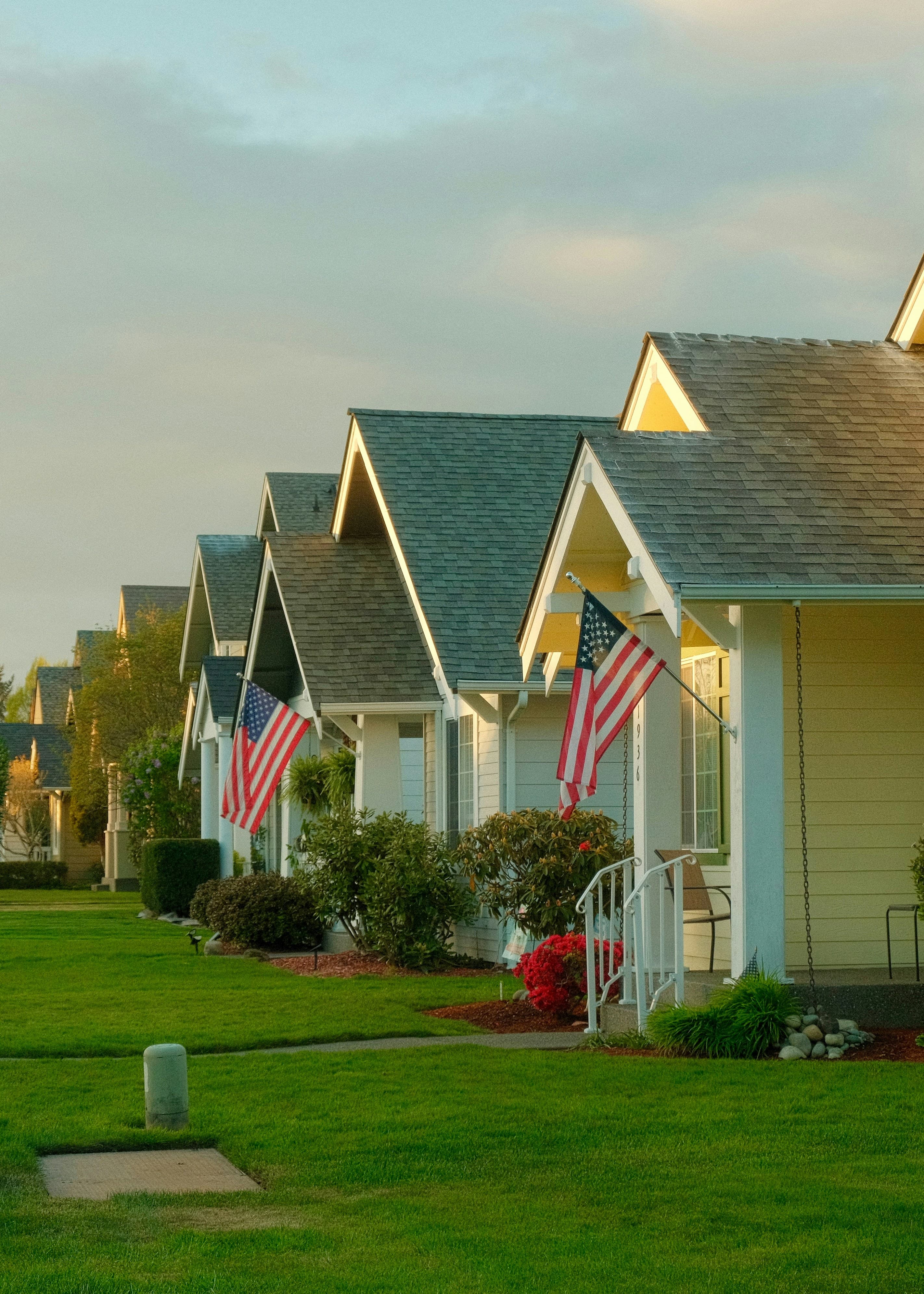
When buyers tour a home, they naturally focus on the property.
The kitchen.
The bathrooms.
The backyard.
The floor plan.
But one of the biggest factors affecting your enjoyment—and potentially your home's long-term value—is everything outside the property lines.
You can't renovate the neighborhood after closing.
That's why experienced buyers pay attention to the homes nearby, the condition of the streets, and the overall level of care throughout the community.
No neighborhood is perfect, and one neglected yard doesn't mean you should walk away. What matters is the overall pattern.
Here are some of the clearest signs that a neighborhood is well maintained.
1. Homes Show Consistent Pride of Ownership
Walk or drive down the street.
Do most homes appear cared for?
Look for:
- Trim that's in good condition
- Clean siding
- Well-maintained roofs
- Fresh paint where needed
- Tidy front entrances
Not every home needs to be updated.
You're simply looking for evidence that owners address maintenance before it becomes a problem.
2. Lawns and Landscaping Are Regularly Cared For
Landscaping doesn't have to be expensive.
It just needs to look maintained.
Notice whether you see:
- Mowed lawns
- Trimmed shrubs
- Healthy trees
- Weed-free flower beds
- Mulched planting areas
Consistent landscaping often reflects homeowners who take pride in caring for their property.
3. Roofs Aren't Showing Widespread Neglect
Look across several homes—not just the one you're considering.
Do you notice:
- Missing shingles?
- Heavy moss growth?
- Sagging rooflines?
- Obvious deterioration?
A neighborhood where many roofs are maintained suggests owners invest in protecting their homes over the long term.
4. Driveways and Walkways Are in Good Condition
Small cracks are normal.
Large areas of crumbling concrete, significant settling, or broken sidewalks throughout a neighborhood may suggest deferred maintenance.
Well-maintained neighborhoods often have:
- Smooth driveways
- Safe walkways
- Limited trip hazards
- Minimal standing water
5. Mailboxes, Fences, and Gates Are Maintained
These small details reveal a lot.
When homeowners repair or replace minor items instead of letting them deteriorate, it often reflects a broader commitment to maintaining the property.
Look for:
- Straight mailboxes
- Functional gates
- Well-kept fencing
- Clearly marked house numbers
6. Mature Trees Are Properly Cared For
Large trees add beauty and value.
They also require maintenance.
Healthy neighborhoods often have:
- Pruned branches
- Healthy canopies
- Trees clear of roofs
- Minimal storm damage
Neglected trees can eventually become expensive safety hazards.
7. Streets Feel Clean and Orderly
Notice the public spaces.
Are streets generally free of litter?
Do storm drains appear clear?
Are sidewalks usable?
Is there excessive debris or abandoned items?
These details contribute to the overall impression of how the neighborhood is cared for.
8. Vehicles Are Generally Well Kept
You don't need luxury cars to have a great neighborhood.
Instead, notice whether vehicles appear:
- Parked appropriately
- Routinely used
- In reasonable condition
A street lined with abandoned or obviously inoperable vehicles may warrant a closer look.
9. Exterior Improvements Continue Over Time
Neighborhoods don't stay healthy by accident.
Look for signs that homeowners continue investing in their properties.
Examples include:
- New windows
- Updated front doors
- Exterior lighting
- Fresh landscaping
- Porch improvements
- Replaced roofs
Ongoing improvements suggest confidence in the neighborhood's future.
10. Public Spaces Are Respected
If the neighborhood includes parks, walking paths, playgrounds, or shared green spaces, pay attention to their condition.
Are they clean?
Maintained?
Actively used?
Communities that care for shared spaces often reflect residents who value where they live.
11. Neighbors Are Outside
This isn't always the case, but it's often a positive sign.
People walking dogs.
Children riding bikes.
Neighbors chatting across driveways.
Families gardening.
When residents spend time outside, it can indicate they enjoy living there and feel connected to the community.
Of course, quiet neighborhoods can be wonderful too. The key is looking for a sense that people take pride in their surroundings.
12. The Neighborhood Feels Consistently Cared For
The biggest clue isn't any single observation.
It's the overall impression.
Ask yourself:
- Does the neighborhood feel maintained?
- Would I enjoy walking here every day?
- Does it seem like homeowners care about their properties?
- Can I picture myself living here for years?
Trust your observations—but support them with evidence.
You're looking for patterns, not perfection.
Don't Mistake Appearance for Value
A beautifully maintained neighborhood doesn't automatically mean it's the right fit.
Likewise, an older neighborhood with modest homes can be exceptionally well cared for and highly desirable.
Your goal isn't to find perfection.
It's to understand what you're buying beyond the front door.
The neighborhood becomes part of your home the moment you move in.
Evaluate it with the same care you give the house itself.
WelcomeIn Helps You Evaluate the Whole Picture
Most buyers spend their showing focused on countertops and floor plans. The best buyers pay attention to the surroundings as well.
WelcomeIn's Home Partner guides you through the details that are easy to overlook, prompting you to evaluate not only the home but also the neighborhood. It helps you document observations, compare properties objectively, and identify questions worth asking before you make an offer.
WelcomeIn's Home Partner guides you through the details that are easy to overlook, prompting you to evaluate not only the home but also the neighborhood. It helps you document observations, compare properties objectively, and identify questions worth asking before you make an offer.
Because the right home isn't just about what's inside the walls—it's about the community you'll be coming home to every day.