
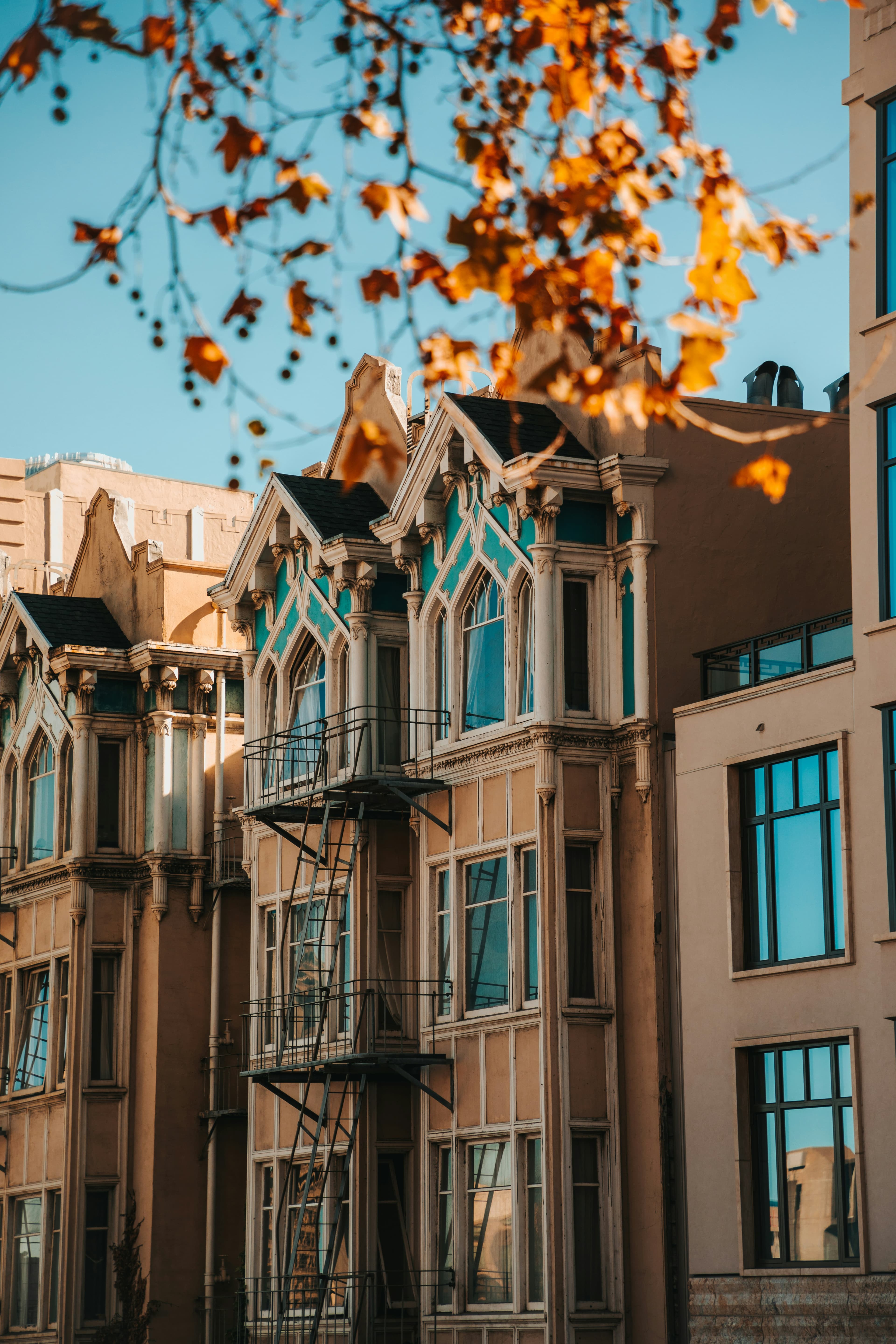
You're touring what seems like the perfect home.
The layout is ideal.
The kitchen is beautiful.
The backyard is exactly what you wanted.
Then...
You hear a jackhammer.
Or you notice a large field behind the neighborhood has been cleared.
Or there's a sign announcing "Future Development Coming Soon."
Many buyers immediately assume construction is a reason to walk away.
Sometimes it is.
Often, it isn't.
The important question isn't whether construction exists.
It's what is actually being built—and how it could affect your life after you move in.
It's what is actually being built—and how it could affect your life after you move in.
Construction Isn't Automatically Bad
Every neighborhood changes over time.
New homes are built.
Roads are widened.
Parks are improved.
Utilities are upgraded.
Shopping centers open.
Some projects are temporary inconveniences that ultimately make an area more desirable.
Others may permanently change how the neighborhood feels.
Your job isn't to fear construction.
It's to understand it.
First, Figure Out What's Being Built
Not all construction has the same impact.
Ask your agent:
- Is this a new residential neighborhood?
- A shopping center?
- Road improvements?
- A school?
- Apartments?
- Office space?
- A park?
- Utility work?
A six-week water main replacement is very different from a three-year commercial development.
Consider the Timeline
Ask one simple question:
"How long is this expected to last?"
Some projects wrap up in a few months.
Others continue for years.
Think about your own timeline.
If you're planning to stay in the home for ten years, six months of construction may have very little long-term impact.
Think About Daily Life
Construction affects more than noise.
It can also mean:
- Temporary road closures
- Detours
- Construction traffic
- Dust
- Limited parking
- Heavy equipment during working hours
Ask yourself:
Would this affect my daily routine?
Or would I barely notice it?
New Homes Can Be a Positive Sign
Many buyers worry about nearby residential construction.
But new homes often indicate confidence in the local market.
Benefits may include:
- New neighbors
- Improved infrastructure
- Better roads
- Expanded utilities
- Increased investment in the community
Of course, it may also mean more traffic or several months of construction activity.
Both can be true.
Commercial Development Can Change Convenience
A future grocery store.
Coffee shop.
Restaurant.
Fitness center.
Medical office.
These projects can make everyday life easier.
On the other hand, they may also bring:
- More vehicles
- Additional lighting
- Delivery trucks
- Increased activity
Think about whether those changes fit your lifestyle.
Road Projects Deserve a Closer Look
Road improvements can seem frustrating while they're happening.
But they may eventually provide:
- Better traffic flow
- Safer intersections
- New sidewalks
- Bike lanes
- Improved drainage
Ask whether the project is solving an existing problem or creating a new one.
Pay Attention to Where the Construction Is
Distance matters.
Construction directly behind your backyard feels different than work taking place half a mile away.
Notice:
- Can you see it from the house?
- Can you hear it?
- Will finished buildings affect privacy?
- Could they block sunlight or views?
A map can help, but seeing it in person is even better.
Visit at Different Times
Construction often follows a predictable schedule.
If possible, visit:
- Early morning
- Midday
- Late afternoon
You may discover the loudest activity only lasts a few hours each day—or you may find it's far more disruptive than expected.
Ask About Future Plans
Even if current construction doesn't concern you, ask whether additional development is planned nearby.
Good questions include:
- Is more land scheduled to be developed?
- Are additional roads planned?
- Will commercial buildings follow?
- Is this the final phase of development?
Knowing what's coming can help you evaluate the neighborhood's future, not just its present.
One Buyer's Deal Breaker Is Another Buyer's Opportunity
Construction is personal.
Someone working from home may avoid months of daytime noise.
Another buyer may gladly accept temporary inconvenience to live near a future park or new downtown district.
Don't assume construction automatically adds or subtracts value.
Evaluate whether it aligns with the lifestyle you want.
Gather Facts Before You Decide
It's easy to let the sound of a bulldozer shape your opinion.
Instead, gather evidence.
Find out:
- What is being built.
- How long it will last.
- Whether it changes traffic.
- How close it is.
- What the neighborhood will look like when it's finished.
Those answers matter far more than the noise you hear during a single showing.
Let WelcomeIn Help You See Beyond Today's Construction
Temporary construction can distract buyers from an otherwise outstanding home—or cause them to overlook legitimate long-term concerns.
WelcomeIn's Home Partner helps you document what you observe, prompts you to ask the right questions about nearby development, and puts today's construction into the context of your overall home-buying decision. Instead of reacting emotionally to what you see during one visit, you'll have a structured way to evaluate how the neighborhood may change over time.
WelcomeIn's Home Partner helps you document what you observe, prompts you to ask the right questions about nearby development, and puts today's construction into the context of your overall home-buying decision. Instead of reacting emotionally to what you see during one visit, you'll have a structured way to evaluate how the neighborhood may change over time.
Because you're not just buying the home you see today—you're buying the neighborhood you'll live in for years to come.